





Pillar 1 – Work environment & culture
Separate yourself from the crowd. You want to be an asset to a company, not a liability. Ask yourself honestly – what do you bring that the next driver doesn’t?
Your CV gets you through the door. The interview and driver assessment is where you sell yourself. If you’re just starting out, fair enough – you’re going to “wing it” a bit. But the goal over time is to turn up as someone who clearly adds value, not just another name on the rota.
If you’re wondering how, it helps to start by seeing things from the business side. Before we even talk about money and lifestyle, you need to understand the environment you’re stepping into. That’s why this is the first pillar.
Government to business – how the rules actually land on your company
Most drivers only see the planner, the transport manager (TM) and the depot. But the pressure on them starts way above the traffic office. Knowing that helps you understand why your company behaves the way it does.
In the UK, the big rules come from the government – mainly the Department for Transport (DfT) and the Health and Safety Executive (HSE). They set the laws and safety rules behind drivers’ hours, vehicle checks, training, load security and so on. That’s the top layer.
Then it gets handed down to the people who actually enforce it:
-
Traffic Commissioners (TCs) – they control the operator’s licence. If a company keeps breaking the rules, doesn’t maintain its trucks, or can’t prove it’s on top of things, the TC can call them in, restrict the licence or take it away. No operator’s licence (O-licence) = no business = no jobs.
-
Driver and Vehicle Standards Agency (DVSA) – these are the ones at the roadside and test centres. They check roadworthiness, MOT tests and whether drivers’ hours and tachograph rules are being followed. They’re a big reason your company rightly bangs on about walkaround checks and driver infringements.
-
Health and Safety Executive (HSE) – they look after health and safety at work. For us that covers things like load securing, safe working areas in the yard, lifting, slips, trips and general working conditions. If something goes wrong, they want to know why and whether the company did enough to prevent it.
What’s pushing on your company
On top of the legal and safety side, most transport firms are getting squeezed from every angle – profit targets, fuel costs, insurance, debt, shareholders or owners wanting a return, demanding customers, and the simple fact that good drivers are hard to keep.
Some companies deal with that pressure by planning properly, investing in training and being honest with drivers. Others try to fix everything by squeezing every minute and pound out of the driver in the cab, then hiding behind “policy” when it all blows up.
For you as a driver, the key is this: when you’re choosing where to work, look for a company that takes these rules seriously without using them as an excuse to hammer the drivers. That’s the difference between a place you can build a life in and a place you’ll burn out.
People & driver types – the culture you feel every day
The rules and pressures are one side of culture. The people you work with are the other. They matter more than most drivers realise.
You’ll meet all sorts of drivers:
-
The money-chasers who’ll do every hour going
-
The coasters who just drift through the week
-
The constant moaners who drag the mood down
-
The solid “company core” types who quietly keep everything moving
If you’re honest, you’ll probably drift through a few of these phases yourself at different points in your career. The trick is spotting where you are and whether it’s helping or hurting the life you’re trying to build. Surround yourself with people who take the job seriously, look after their licence and still care about having a life outside the cab – that’s the culture you want to plug into.
I try my best not to burn bridges. I want to learn from other drivers and I listen when a manager pulls me up on something – even if I don’t like how it’s said. That’s how you grow over time.
But be honest: there will be weeks where everything winds you up. Your holidays get knocked back. You’re on a run of rough shifts. Defects aren’t reported. You get messages about damage or faults you know weren’t you. If you’re not careful, you slip into being a full-time moaner and drag the mood down for everyone around you.
Then you get the other side. You’ve had an amazing week on the money and you feel on top of the world. Before you go round bragging about it, remember someone else on your fleet might be sitting there wondering how they’re paying their bills this month. How you behave in both of those moments – when it’s bad for you and when it’s good for you – is a big part of the culture you’re creating.
Over time you’ll naturally lean towards the people who actually help you – the ones who share decent routes, money tips, clean-up tricks and bring a bit of a positive vibe to the day. You build a bond with those drivers, and there’s real satisfaction in being that person for someone else too.
These types feel like rare breeds sometimes, so don’t be afraid to seek them out. A bit of honesty goes a long way – if you’re struggling with something, say so. Most decent drivers remember their own early disasters on the bay and a funny story to go with it; they will happily talk you through a reverse or a tricky site. That’s how you spot the ones worth listening to.
Employee level – what this actually means for you
Now let’s bring it down to our level – the driver in the seat. All those rules from above land on you in some very practical ways.
First, compliance. As a driver you’re expected to stick to the rules on:
-
Drivers’ hours and working time – using your card properly, taking breaks when you should, and refusing to play games with your hours for anyone’s convenience.
-
Vehicle safety – proper daily walkaround checks, reporting defects, not turning a blind eye because you’re running late.
-
Load security – using the right straps, bars, nets, curtains and checking things haven’t shifted.
This is the non-negotiable stuff. It’s your licence and your name on the line as well as the company’s.
Then there’s the Driver Certificate of Professional Competence (Driver CPC or DCPC). To drive professionally you need a valid Driver CPC card, and that means 35 hours of periodic training every five years. In theory it keeps your knowledge up to date on safety and regulations. In reality, the quality depends on the provider – some are box-ticking, some are genuinely useful. Either way, you can’t ignore it if you want to stay in the game.
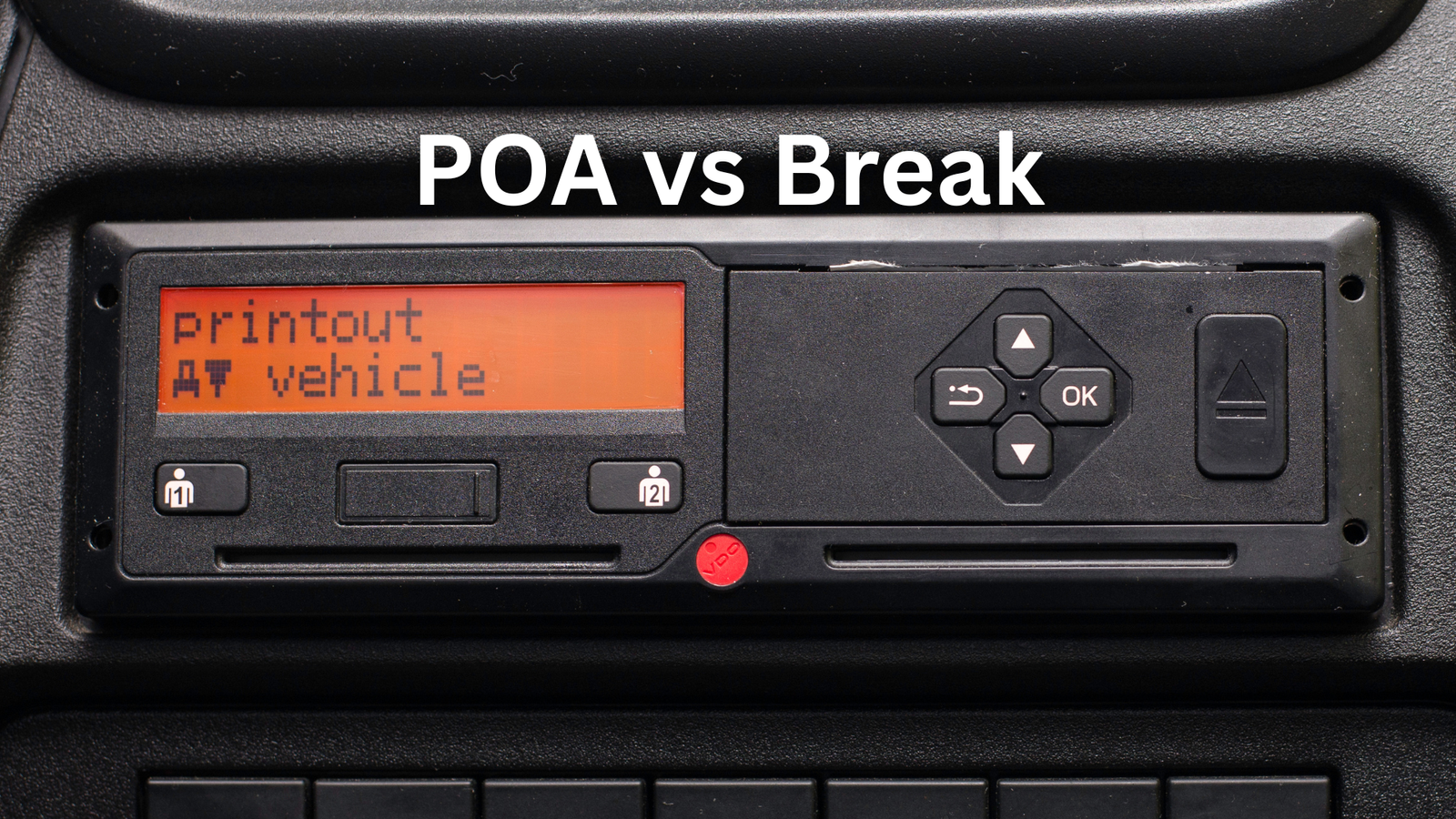
On the road, DVSA can and do check all of this. They’ll look at your digital tachograph data, any printouts, how you’ve used your card, and the condition of your vehicle. If something’s off, they can issue penalties, prohibitions or worse. It’s not just “the company” that gets heat – your own record matters. It’s also important to have your driving licence and all your professional cards on you and ready for inspection.
The point of laying this out isn’t to scare you. It’s to make it clear where your responsibility starts and ends. A good company will support you to get this right. A bad one will quietly push you to cut corners and then leave you hanging when it goes wrong. Your job is to know the rules well enough to protect your licence, your income and your future.
Once you’ve got a clear view of the culture – the rules, the company pressure and the people you’re working with – the next question is simple: what are you actually getting paid for all of this? That’s where the Earnings pillar comes in.
-
Read Pillar 2 – Money & Earnings
-
Read Pillar 3 – Life & Lifestyle